
The team at ResourceSpace have been a joy to work with, helping us manage what could've been a really difficult transition every step of the way.

Our friendly team can guide you through how our extensive feature list can be tailored to your exact needs
Request a meetingWe’ll configure the perfect digital asset management system, carefully tailored to your sector
Request a meetingWe provide powerful DAM systems and bespoke consultancy and support to organisations of all types across the world.
Request a meetingBlog
17th March 2026
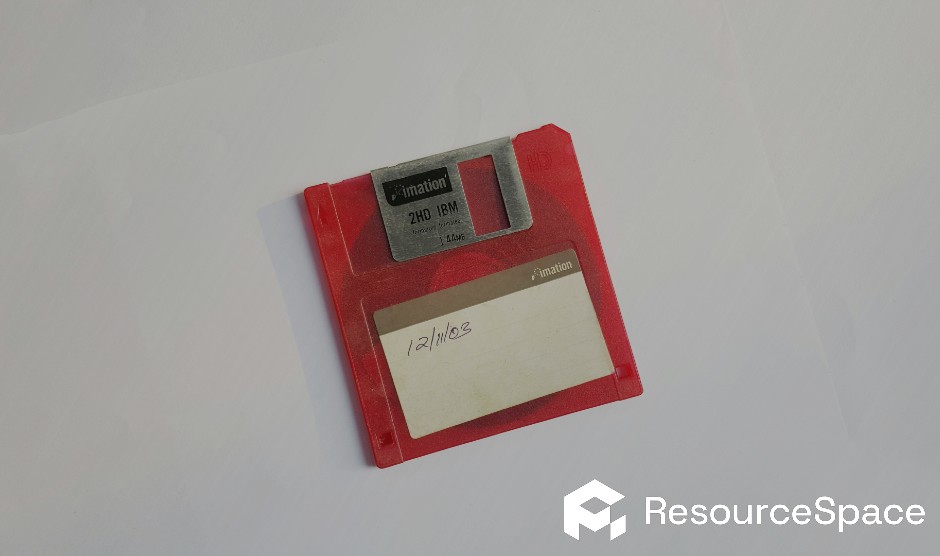
All brands evolve over time, but not all organisations do a great job of keeping track of it.
But why is it important?
As a brand develops, all different kinds of new assets need to be created, from logos, photography, videos and iconography, but what happens to all of that old collateral? All too often it remains in circulation, cropping up in new campaigns and marketing channels, eroding brand consistency.
Fortunately, a dedicated Digital Asset Management (DAM) system can help, acting as the ‘living memory’ of your brand.
READ MORE: 5 common DAM challenges faced by... brand managers
Brand consistency becomes harder as organisations grow, teams evolve and more people become involved in creating content. Over time, brand assets are accessed, edited and used by internal teams, external agencies and regional partners, each with their own workflows and storage processes.
Team turnover is one of the biggest factors, because when key staff leave, valuable knowledge about brand guidelines, campaign history and asset usage can disappear with them when you don’t have well documented DAM processes. What’s more, new team members then struggle to identify which assets are currently approved for use, and which are old and should’ve been archived.
READ MORE: How to solve 4 common brand management challenges
Third-party access and use of digital assets is a further risk to brand consistency because they often store files separately or deliver assets through temporary links and folders. Third-parties like agencies and freelancers can offer valuable expertise when it comes to graphic design and marketing campaigns, but without a DAM those materials can become scattered across platforms.
The issues presented by team turnover and third-party access are exacerbated by siloed storage processes. Files end up spread across shared drives, email threads and cloud tools, making it difficult to locate the right asset—and this leads to outdated visuals being resurfaced and weakening brand consistency.
A DAM acts as your brand’s collective memory, providing a single source of truth for all visual assets, marketing and sales collateral, and related documents.
READ MORE: What's the difference between Digital and Brand Asset Management?
A Digital Asset Management system acts as a central record of a brand’s history.
Instead of creative work disappearing into archived folders or former employees’ laptops, campaigns, master files and supporting materials are preserved in a structured and searchable environment.
This means the evolution of the brand remains visible, with previous campaigns and key marketing assets stored alongside the latest approved materials creating a rich archive of brand knowledge. Thanks to detailed metadata, teams can also capture the context behind those assets, such as campaign objectives, launch dates, usage rights and associated products or audiences. Designers, marketers and brand managers can understand not only what was created, but why. This allows teams to build on the brand’s existing heritage, rather than reinventing work or losing valuable insight.
A Digital Asset Management system helps ensure that only the correct, approved brand assets are used across the organisation. Instead of multiple versions of files circulating through shared drives or email attachments, DAM provides clear version control so teams always know which asset is current and which has been replaced.
Key to this is the ability to implement granular approval workflows, because new visuals, templates or campaign materials can be reviewed and signed off before they become available within the DAM. This ensures that everything different teams can access aligns with current brand guidelines and messaging.
However, not only do approval workflows ensure only the latest brand assets are in circulation, access permissions make sure users can only use the content they should have access to. Different teams can be given access only to the assets relevant to their work, reducing the risk of outdated logos, old campaign visuals or draft materials being reused.
When brought together, these controls help Brand Managers maintain accuracy and consistency across every channel.
As organisations grow, the risk associated with digital asset use grows with them.
Digital assets often have usage restrictions, licence agreements or consent requirements, but without clear governance, it’s easy for teams to accidentally reuse assets beyond their permitted scope, particularly when files are downloaded, duplicated or shared across multiple platforms.
A DAM system reduces this risk by attaching rights information directly to each asset. Licence type, usage restrictions, geographic limitations and expiry dates can be recorded through structured metadata, meaning users can quickly identify safe-to-use assets rather than having to guess or ask colleagues who might also be unsure.
Modern DAMs like ResourceSpace can also flag when licenses or permissions are coming close to expiring, helping organisations avoid accidental misuse. We even offer a plugin that automatically restricts or archives assets once those rights have expired.
The final layer of governance offered by a DAM is an audit trail, ensuring every upload, edit, approval and download can be logged, creating a transparent history of how assets have been managed and used.
For organisations operating in regulated industries, this visibility is essential. Procurement teams, legal departments and senior leadership want assurance that brand assets are governed responsibly, with clear processes that reduce legal exposure and protect organisational reputation.
As organisations grow, the number of people involved in creating and using brand assets expands quickly. Marketing teams, communications specialists, regional offices, external agencies and partners all need access to the same materials, but this collaboration can become fragmented.
However, a DAM provides an organisation with a central operational ‘backbone’ that connects these teams. Instead of each group maintaining its own version of assets, everyone works from a single source of truth. Marketing can upload new campaign materials, communications teams can access approved visuals for announcements and regional teams can quickly locate the assets relevant to local geographies.
This benefits third parties and external parties too, with agencies, designers and media partners accessing the assets they need to carry out their work without relying on manual file transfers or time-consuming requests to the DAM or marketing manager.
Ultimately, a DAM system improves efficiency and reduces duplication, while teams spend less time searching for files or double-checking that assets have been approved. What’s more, as the organisation grows the system scales alongside it, supporting more users, more content and more complex workflows without losing control.
To find out how ResourceSpace can act as the ‘living memory’ and ‘operational backbone’ of your organisation, book your free consultation with a ResourceSpace specialist below.
Alternatively, launch a free evaluation DAM portal within minutes.
#BrandConsistency
#BrandManagement
#TeamCollaboration
#ResourceSpaceTips
#BestPractice
#IndustryNews
#MarketingAssets
#ProductUpdates
The team at ResourceSpace have been a joy to work with, helping us manage what could've been a really difficult transition every step of the way.

I've found it extremely easy, comfortable, simple and fast. We are extremely happy with the tool and their support.